Color-breaking vs non-color-breaking defects
White paper showing through ink is a color break. It costs more grade than a bend of the same length that does not break color.
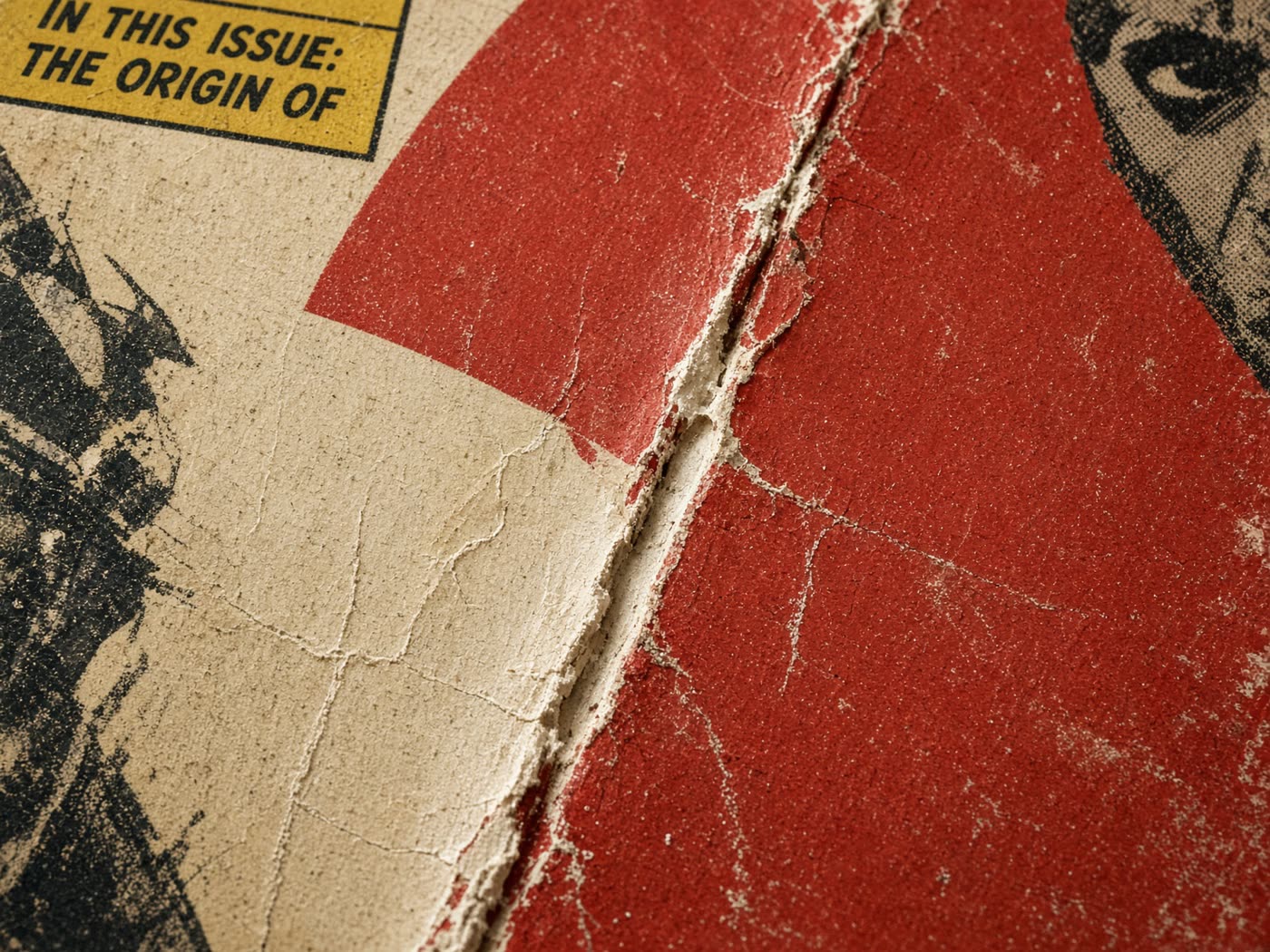
What a color break is
A color-breaking defect is any crease, stress, bend, scrape, or fold where the ink has cracked and the underlying paper shows through — usually as a white or pale line. The same motion that only indents the cover, without exposing paper, is non-color-breaking. Collectors often call both “creases.” They are not the same defect, and they do not cost the same grade.
Length alone does not set the grade. A short color-breaking spine tick can outweigh a longer soft bend that never cracked the ink. Location matters: a color break through a face or a title logo hurts eye appeal more than one in a dark gutter. Depth matters: a hairline white stress is not a smashed, color-lost fold. Accumulation matters: a row of ticks is not one tick.
Why it is treated more seriously
Color loss is structural to the printed surface. A press can relax a wave, a light bend, or some spine roll. It cannot put ink back. Conservative raw grading therefore treats color-breaking defects as substantially more serious than the same-size defect without a break. That is not a preference. Pressing, cleaning, and bagging do not restore cracked pigment.
At the top of the ladder, any meaningful color break usually prevents the highest near-mint reads. A barely noticeable quarter-inch non-color-breaking crease is a classic mid-high benchmark. The same crease with a white line through it sits lower — often a full step or more, depending on location and what else is wrong. When a book sits between two rungs because of a break, the lower grade is the honest one.
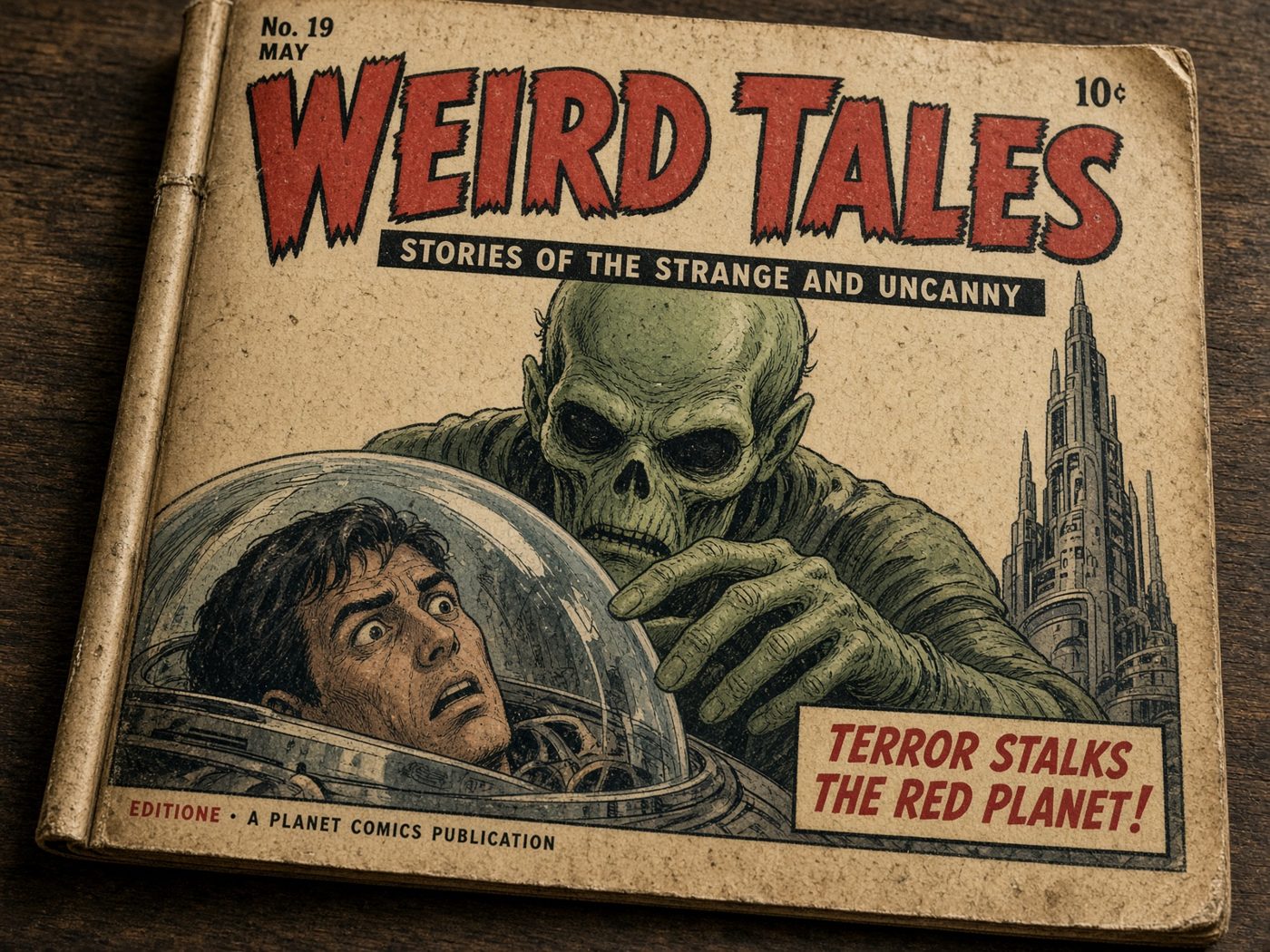
How to photograph it
Tilt the book slightly under raking light so the break catches. A dead-on flash wash can hide a white line on a light cover and invent glare on a dark one. Add a close-up of the worst break in the extra slot and mention it in the notes if it is easy to miss. If you are not sure whether a line breaks color, shoot it as if it does. The estimate will not inflate a maybe into intact ink.
Do not “fix” a color break in an editor. Cropping it out of the cover shot is worse than showing it: the corners and right edge still have to be in frame, and a missing zone reads as evasion. Show the line. Notes can explain a printer crease or an intentional mark. They cannot un-break ink.
Chart estimate for raw condition only — not a professional certification.
Grade a book